
Jessica Freese | December, 2025

Nourishing High-Risk Pregnancies: A Dietitian’s Guide to GD, Hyperemesis & Preterm Birth Risk
High-risk pregnancies can bring an unexpected mix of emotions hope, worry, determination, and a constant search for reassurance. Many parents describe feeling as though their bodies are under a microscope, while still wanting clear guidance on what they can do to support their growing baby.
Nutrition is not a cure for high-risk pregnancy conditions. However, it can be a source of stability, strength, and confidence during a time that often feels unpredictable. As a prenatal dietitian, my role is to bring clarity and compassion to the process translating complex medical needs into practical, achievable nutrition strategies that fit into real life.
This guide explores how evidence-based nutrition can support three common high-risk pregnancy situations: gestational diabetes (GD), hyperemesis gravidarum (HG), and pregnancies at risk of preterm birth.
Gestational Diabetes (GD): Finding Balance
A diagnosis of gestational diabetes can feel overwhelming, and many parents worry that it means they have done something wrong. It’s important to remember that GD is driven largely by pregnancy hormones affecting insulin sensitivity not by personal decisions or “poor eating.”
Nutrition, however, plays a powerful role in supporting blood glucose stability and optimising outcomes for both parent and baby.
Core Principles of Eating With GD
1. Focus on Balanced Meals
Pairing carbohydrates with protein, healthy fats, and fibre helps slow glucose absorption and reduce blood sugar spikes.
Practical meal ideas include:
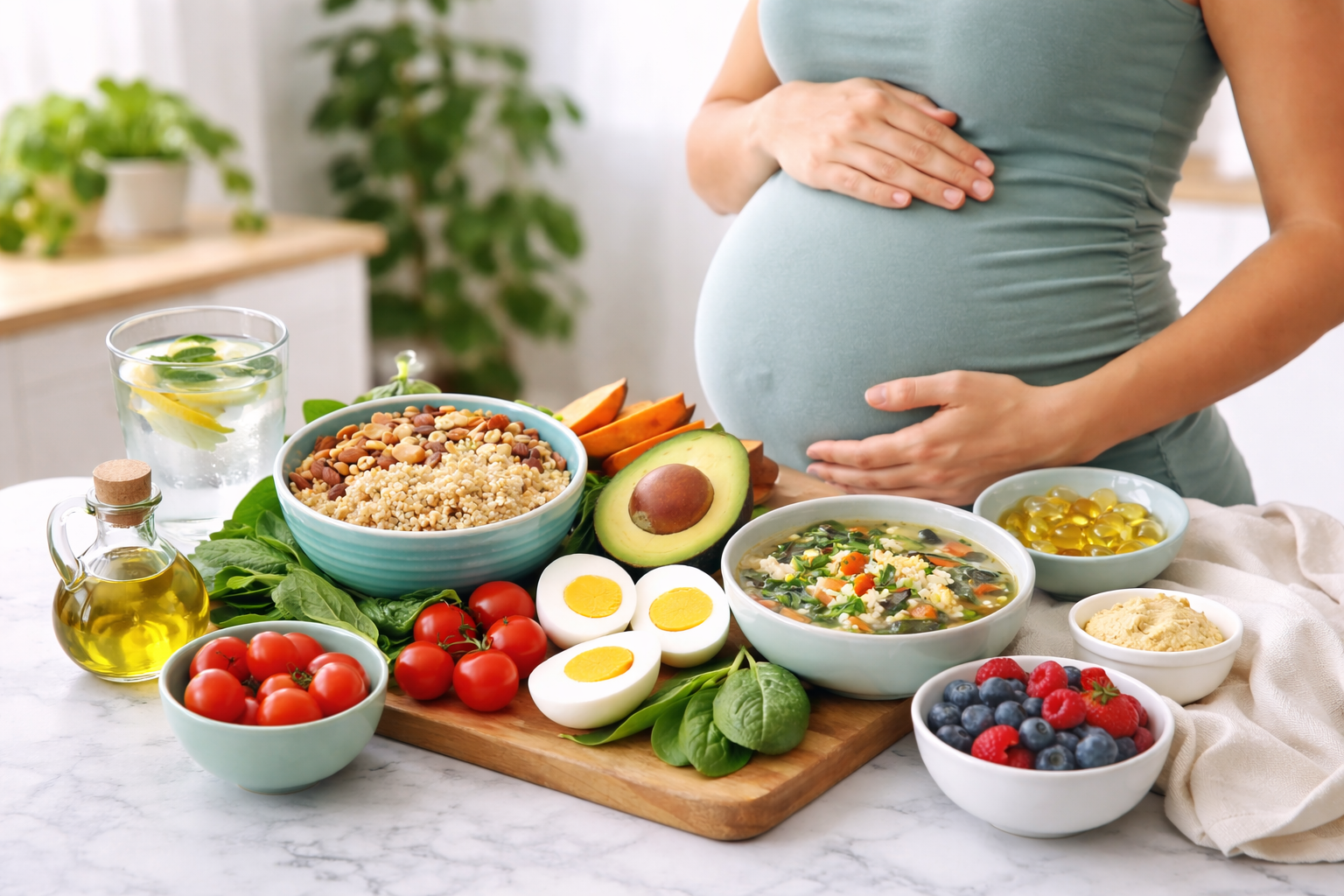
Wholegrain toast with boiled eggs and avocado
Greek yoghurt with berries and nuts or seeds
Hummus with wholegrain crackers and vegetable sticks
2. Keep Carbohydrates Consistent Throughout the Day
Smaller, evenly balanced meals and snacks are often better tolerated than large carbohydrate-heavy meals and can help prevent sharp blood glucose rises and falls.
3. Choose Carbohydrates Strategically
Prioritise slow-release, higher-fibre carbohydrates such as oats, quinoa, sweet potato, legumes, lentils, whole fruit, and whole grains.
4. Move Gently After Eating
Even 10 minutes of light movement, such as walking after meals, can significantly improve post-meal blood glucose levels and support overall energy.
The goal with GD nutrition is not perfection it’s finding what works for your body and fits realistically into daily life.
Hyperemesis Gravidarum (HG): When Food Feels Impossible
Hyperemesis gravidarum is far more than severe morning sickness. It can significantly affect hydration, nutritional status, and emotional wellbeing. Compassion and flexibility are essential here nourishment must adapt to the parent’s symptoms, not the other way around.
Nutrition Approaches That Can Help
1. Eat During “Symptom Windows”
Rather than waiting for traditional mealtimes, focus on any moments when nausea eases, even briefly. Small amounts taken during these windows can make a meaningful difference.
2. Identify Tolerated Foods Without Judgement
HG often narrows food choices to what can be kept down, such as:
Dry crackers, toast, or plain pasta
Salted rice cakes or pretzels
Cold fruit or icy drinks
Broths or simple soups
These foods may not look nutritionally complete, but during difficult phases they can be essential.
3. Prioritise Hydration First
Hydration is often more urgent than food. Many parents tolerate:
Oral rehydration solutions
Diluted juices
Ice chips or crushed ice
4. Choose Cold or Room-Temperature Foods
Hot foods can intensify nausea, while cold options such as yoghurt, smoothies, or fruit are often easier to manage.
5. Adjust Supplements for Tolerance
Supplement regimens may need reviewing during severe nausea. A dietitian can help prioritise what is most important while improving tolerance. Always coordinate changes with your care team.
6. Discuss Natural or Complementary Options With Your Care Team
Some parents explore options such as ginger, vitamin B6, magnesium, peppermint tea, or acupressure. While some may be helpful, it’s important to discuss these with your healthcare team to ensure safety and avoid interactions.
7. Know When to Seek Additional Support
Rapid weight loss, inability to keep fluids down, or signs of dehydration require medical assessment. IV fluids or medications are not signs of failure they are appropriate, evidence-based treatment.
HG care must always be rooted in compassion and realism, meeting the parent exactly where they are.
Supporting Pregnancies at Risk of Preterm Birth
Pregnancies identified as having an increased risk of preterm birth often come with heightened anxiety and a strong desire to “do everything possible.” It’s important to acknowledge that preterm birth is complex and multifactorial. Factors such as previous preterm delivery, infection, inflammation, method of conception, chronic health conditions, and pre-pregnancy nutritional status can all play a role.
While nutrition cannot prevent preterm birth on its own, it is one of the few modifiable factors that can meaningfully support maternal health and help optimise the intrauterine environment for fetal growth and development.
Nutrition Priorities
1. Adequate Protein Intake
Protein needs increase during pregnancy to support both the parent and the growing baby. Research has linked inadequate protein intake with a higher risk of preterm birth, particularly in pregnancies under increased physiological stress.
Including a source of protein at each meal and snack helps meet needs in a gentle, achievable way. Options such as eggs, Greek yoghurt, lean meats, legumes, tofu, nuts, and seeds can be adapted to appetite and tolerance. A food-first approach to protein is always preferred during pregnancy.
2. Omega-3 Fatty Acids (DHA)
Omega-3 fatty acids, particularly DHA, help regulate inflammatory processes that can be linked to preterm labour. Higher DHA intake has been associated with a reduced risk of early preterm birth.
For parents who don’t regularly consume dietary sources of omega-3, a supplement providing at least 500 mg of DHA may be a helpful alternative. As with all supplements in pregnancy, this should be discussed with your obstetric care team.
3. Vitamin D Status
Vitamin D plays an important role in immune function and placental health. Low vitamin D levels particularly during the second trimester have been associated with an increased risk of preterm birth.
Because vitamin D needs vary depending on sun exposure, skin type, and individual factors, testing and personalised supplementation are often more helpful than generalised advice.
A Supportive Approach
For pregnancies at risk of preterm birth, nutrition care should feel grounding rather than overwhelming. Small, steady choices repeated over time can meaningfully support maternal health without adding unnecessary pressure.
Every pregnancy is different, and personalised nutrition support allows care to adapt as needs change. When nutrition is approached with evidence, flexibility, and compassion, it can become a source of reassurance during a time that may otherwise feel uncertain.

Jessica Freese
About the author
Jess is an Accredited Practising Dietitian with a special interest in fertility, pregnancy, paediatrics, and women’s health. She’s passionate about making nutrition simple, practical, and empowering for every stage of life.


Get in touch.
Whether you’re seeking guidance, booking a consult, or exploring services, we’re here to make the process simple. Get in touch and let’s take the next step together.